Most parents assume that if a child laughs, responds to their name, or turns toward a sound, their hearing is fine. It is a reasonable assumption. But hearing difficulties in children rarely announce themselves clearly.
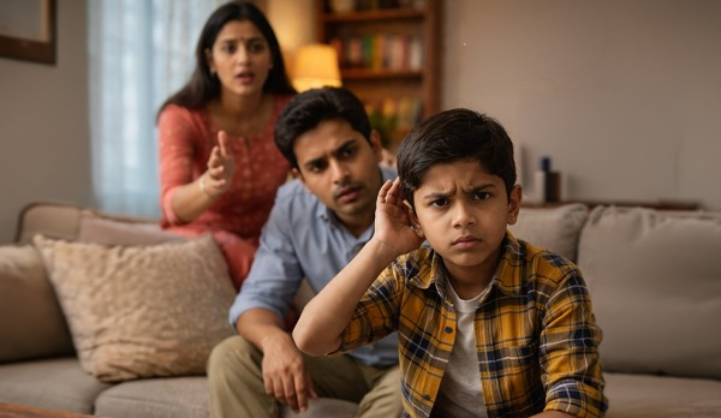
They hide in plain sight. A toddler who is slower to speak. A child who gradually pushes the television volume higher. A student who stares blankly during lessons, not because they are distracted, but because they genuinely cannot follow what is being said. These are not personality quirks or phases. They are signals worth taking seriously.
The harder truth is that even mild hearing loss shapes how a child learns to communicate, builds friendships, and experiences school. A child who strains to hear in a busy classroom will not always say so. Many do not have the language for it. Instead, they grow quieter, more hesitant, and sometimes frustrated in ways that get misread as behavioral issues.
At RISE Hearing Aid Centre, families often arrive after months of uncertainty, wondering why their child is struggling when no one has been able to say exactly why. In many cases, a straightforward hearing assessment provides the clarity they needed all along. Early detection changes outcomes. That part is not a cliché; it is what the research consistently shows.
Why is a Hearing Test So Important for Your Child?
Children do not learn language by reading. They learn it by listening, long before they can hold a pen or open a book.
From the earliest weeks of life, a baby’s brain is quietly mapping speech patterns, absorbing tone and rhythm, and building the neural foundations for communication. If hearing is reduced, even partially, those foundations develop on shakier ground.
What makes this tricky is that children with hearing difficulties often appear perfectly healthy. They may respond to some sounds while consistently missing others, particularly softer speech or the mid-range frequencies where most conversation happens. Parents naturally interpret the inconsistency as selective attention. Teachers may chalk it up to focus issues. Neither group is wrong to wonder. But neither explanation should replace a proper hearing evaluation.
A paediatric hearing assessment can identify:
- Whether your child hears clearly across different pitches,not just loud sounds in quiet rooms
- Whether fluid or infection in the earis temporarily pulling their hearing down
- Whether speech delays have an auditory cause,rather than a developmental or behavioural one
- How significant any hearing loss is,from mild and manageable to something that needs closer attention
The tests themselves are gentle, non-invasive, and adapted for children at every age. There is nothing to fear from finding out.
8 Signs Your Child May Need a Hearing Test
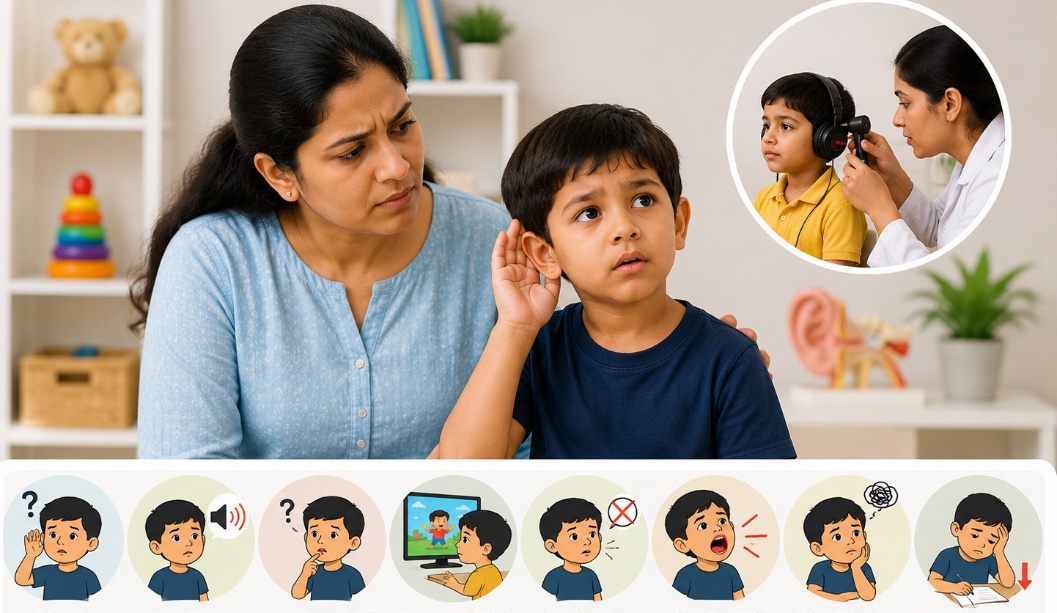
Hearing difficulties in children rarely come with obvious warnings. More often, they show up in patterns that are easy to explain away. A late talker. A child who seems distracted. A student who just cannot seem to keep up. Below are eight signs that warrant a proper hearing evaluation.
1. Delayed Speech Development
Children learn to speak by hearing language repeated around them. When hearing is reduced, that input becomes incomplete, and speech reflects it.
Some children say very few words by the age most peers are forming short sentences. Others develop speech but struggle with pronunciation in ways that linger well past the expected stage. You might notice:
- Limited vocabulary for their age
- Difficulty forming sentences
- Unclear pronunciation
- Trouble understanding instructions, not just following them
Parents are often reassured that every child develops differently. That is true. But persistent delays tied to comprehension, not just expression, deserve a hearing assessment.
2. They Don’t React to Loud Noises
Babies and young children typically startle at unexpected sounds. A door slamming, a dog barking, a pan dropped on the kitchen floor.
When a child consistently shows no reaction or only responds when they can see the source directly, it is a pattern worth investigating. It does not automatically indicate significant hearing loss, but it is something a specialist should assess. This subtle sign is easily overlooked in the rhythm of a busy day.
3. You Have to Call Their Name More Than Once
Every parent knows the experience of repeating a child’s name while they are deep in play. That is normal. What is less typical is when it happens across all situations, regardless of distance, noise level, or activity.
Children with hearing difficulties may:
- Respond inconsistently to the same voice
- Hear lower-pitched voices more easily than higher ones
- Miss speech coming from another room entirely
Over time, parents often find themselves unconsciously speaking louder or physically tapping a shoulder to get a response, without realising they have been adapting to the child’s hearing all along.
4. Watches TV With Very Loud Sound
This is one of the most common warning signs families notice at home. Children who struggle to hear clearly often increase the television volume because speech sounds appear muffled or incomplete. They may also sit unusually close to screens.
Some children manage conversations reasonably well in quiet environments but struggle when background noise is present. Television audio, especially with music and sound effects, may become harder for them to process.
Parents searching online for “why does my child keep the TV volume too loud” are often surprised to learn that hearing issues can be a contributing factor.
5. When They Don’t Talk Too Much
Not every quiet child has hearing loss. Personality matters too. Still, some children avoid speaking because communication feels difficult or frustrating. They may hesitate to join conversations, answer briefly, or stay unusually silent in group settings.
The reason is simple. If hearing is unclear, responding confidently becomes harder. A child who cannot fully hear classmates or teachers may gradually withdraw socially. Over time, this can affect confidence and classroom participation. The silence is not always shyness. Sometimes, it is uncertainty.
6. When They Talk Louder Than Normal
Children regulate their speaking volume by monitoring how they sound to themselves. If hearing is reduced, they may unknowingly speak louder because they cannot accurately monitor their own voice levels. Some children also develop unusual speech patterns or unclear pronunciation due to limited auditory feedback.
Parents may notice:
- Frequent shouting
- Loud conversations indoors
- Difficulty controlling volume
- Speech that sounds strained or unclear
The truth is that this behavior is often misunderstood as hyperactivity or excitement when hearing challenges may be involved.
7. When They Are Not Paying Attention
Hearing problems are sometimes mistaken for behavioral or concentration issues. A child who cannot hear instructions clearly may appear distracted, inattentive, or disinterested. In reality, they may simply be missing parts of conversations. Teachers are often among the first to notice this pattern in classrooms. This overlap between hearing concerns and attention difficulties makes professional testing especially important.
None of it automatically points to a behavioural or concentration disorder. A hearing evaluation should come before any other conclusions are drawn.
8. Low Performance in School
School is, at its core, an auditory experience. Listening to a teacher, following group discussions, absorbing vocabulary through spoken language; all of it depends on consistent, clear hearing. Children missing portions of that input fall behind gradually, in ways that affect reading, spelling, comprehension, and eventually confidence.
A hearing test does not just assess hearing. It can help uncover hidden barriers affecting a child’s learning journey.
Key Ages to Check Your Child’s Hearing
Within a Few Weeks of Birth
Newborn hearing screening is extremely important because babies begin learning language almost immediately. Many hospitals now conduct early hearing screenings shortly after birth. These tests are quick, painless, and designed to identify hearing concerns before developmental delays appear.
If a baby does not pass an initial screening, follow-up testing is recommended. It does not always indicate permanent hearing loss, but it should never be left uninvestigated.
From 9 Months to 2.5 Years of Age
This stage is critical for speech and language development. Parents should closely observe how children respond to sounds, imitate words, and communicate needs during this period.
A hearing evaluation may be recommended if:
- Speech milestones are delayed
- Ear infections occur frequently
- Responses to sound seem inconsistent
- Communication development appears slower than expected
Today, early intervention services can greatly improve speech and language outcomes when hearing issues are detected during these formative years.
Around 4 or 5 Years Old
This age often marks the beginning of formal schooling. Even mild hearing difficulties can become more noticeable once children enter structured learning environments. Classroom noise, group interactions, and longer attention demands may expose hearing challenges that were previously unnoticed.
Routine hearing checks before or during early school years help ensure children are fully prepared for academic learning.
How to Prepare Your Baby for the Hearing Tests
A Note for Parents Before the Appointment
If you are bringing a baby or toddler for a hearing evaluation, a few small preparations can make the experience easier for everyone.
Some assessments are best conducted when a child is relaxed or drowsy, so scheduling around nap time is worth considering. Bring familiar comfort items, enough milk and diapers, and an extra pair of hands if possible. Dress your child in simple clothing that leaves their ears and head accessible and try to arrive without the added pressure of a rushed schedule.
Paediatric hearing assessments at RISE are designed to be calm and non-threatening. Depending on the child’s age, tests may involve listening activities presented as games, gentle ear examinations, or assessments carried out while the child sleeps naturally. The aim is always to understand how clearly a child hears across different sounds and speech frequencies, not simply to produce a pass or fail result.
What Happens During a Pediatric Hearing Test?
Many parents worry that hearing tests will be uncomfortable or stressful for children. Modern pediatric hearing assessments are designed to feel safe and non-threatening.
Depending on the child’s age, specialists may use:
- Sound response tests
- Headphone-based listening activities
- Play-based hearing evaluations
- Gentle ear examinations
- Advanced diagnostic hearing equipment
For babies, some tests can even be completed while they sleep naturally. The goal is not just to diagnose hearing loss, but to understand how clearly the child hears different sounds and speech frequencies.
When Should Parents Seek Professional Help?
Parents are usually the first to sense that something is not quite right. That instinct deserves to be taken seriously.
If your child is showing any of the signs described here, or if something about their speech, listening, or communication has quietly unsettled you, a hearing test is a reasonable and responsible next step. It may confirm that hearing is not the issue. Or it may provide the explanation that finally makes sense of what you have been observing.
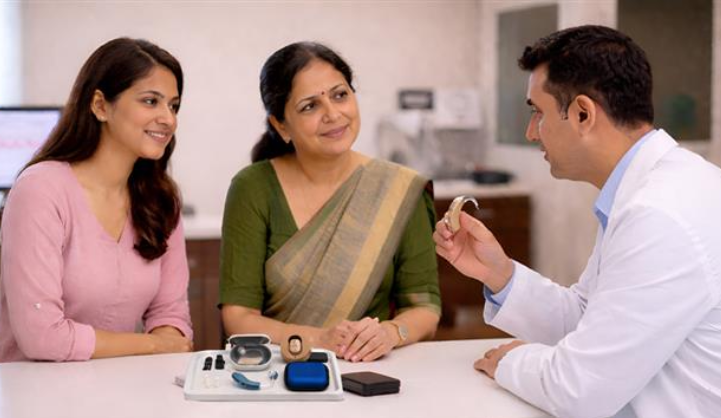
At RISE Hearing Aid Centre, hearing specialists work with children and families to provide thorough, child-appropriate assessments in a setting that feels more like a conversation than a clinical procedure. The goal is clarity, and with it, the confidence to support your child’s development in exactly the ways they need.
Sometimes, the answers parents are searching for begin with something as simple as checking how clearly a child hears the world around them.