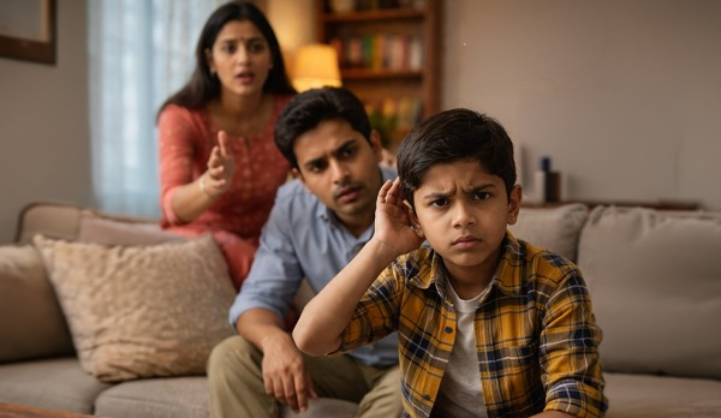
Hearing plays a vital role in a child’s overall growth and development. From the very first days of life, children begin learning by listening to the voices, sounds, and environments around them. Hearing directly influences speech development, language skills, academic learning, emotional bonding, and social interaction. When hearing difficulties go unnoticed or untreated, they can significantly affect a child’s communication abilities, school performance, and self-confidence.
Many parents may not immediately recognize the early warning signs of hearing loss, especially when symptoms are subtle. However, early identification and timely intervention can dramatically improve a child’s developmental outcomes. If you are considering a child hearing test in Chennai or searching for a pediatric hearing specialist near me, understanding the signs and causes is the first step toward protecting your child’s hearing health.
This comprehensive guide explains the importance of hearing, early warning signs across different age groups, common causes, and when parents should seek professional help.
Why Hearing Is Important for Child Development
Children develop speech and language skills primarily by listening. From infancy through early childhood, the brain rapidly processes sounds and begins forming neural connections that support communication and learning.
Healthy hearing supports:
- Speech clarity and pronunciation
- Vocabulary growth
- Understanding instructions
- Social interaction and peer bonding
- Academic success
- Emotional development and confidence
Even mild hearing loss can cause difficulty distinguishing certain sounds, which may lead to unclear speech or misunderstandings. In classroom settings, children with untreated hearing challenges may struggle to follow lessons, respond appropriately, or engage in group discussions.
Because early childhood is a critical period for language development, prompt hearing screening for children in Tamil Nadu or elsewhere can prevent long-term complications.
What Is Hearing Loss in Children?
Hearing loss occurs when a child cannot hear sounds partially or completely in one or both ears. It can range from mild to profound and may be temporary or permanent.
Hearing loss may be:
- Congenital– present at birth
- Acquired – develops later due to illness, injury, or environmental exposure
Common Types of Hearing Loss
1. Conductive Hearing Loss
This occurs when sound cannot pass effectively through the outer or middle ear. It is often caused by ear infections, fluid buildup, or blockages. Conductive hearing loss is usually temporary and treatable.
2. Sensorineural Hearing Loss
This type results from damage to the inner ear (cochlea) or auditory nerve. It is typically permanent and may require hearing aids or other assistive devices.
3. Mixed Hearing Loss
A combination of conductive and sensorineural hearing loss.
Early detection through a reliable hearing care clinic for kids in Chennai or a qualified specialist can significantly improve treatment success.
Early Signs of Hearing Loss in Infants (0–12 Months)
Infants rely entirely on hearing to begin developing speech patterns. Parents should observe their baby’s reactions to sound carefully.
Warning signs include:
- No startle response to loud noises
- Not turning toward sounds by 6 months
- Not responding to their name by 9 months
- Limited babbling or vocal sounds
- Appearing unaware of environmental noises
Typically, newborns undergo a hearing screening at birth. However, if concerns arise later, parents should not hesitate to schedule a follow-up evaluation. Early diagnosis during infancy allows intervention before speech delays develop.
Signs of Hearing Loss in Toddlers (1–3 Years)
The toddler years are crucial for speech and language growth. During this stage, children rapidly expand vocabulary and begin forming simple sentences.
Signs to watch for:
- Delayed speech milestones
- Limited vocabulary compared to peers
- Difficulty understanding simple instructions
- Frequently saying “what?” or appearing confused
- Not responding when called from another room
- Turning up TV or mobile device volume excessively
Parents often mistake speech delay for normal variation. However, persistent delays should be evaluated through a professional child hearing test in Chennai or your local area.
Signs of Hearing Loss in Preschool & School-Age Children
As children grow older, hearing difficulties may become more noticeable in academic settings.
Look for:
- Difficulty following classroom instructions
- Frequently asking for repetition
- Speaking loudly or unclearly
- Trouble distinguishing similar sounds
- Poor attention span or seeming distracted
- Complaints of ear pain or ringing (tinnitus)
- Falling behind academically
Teachers are often the first to notice subtle hearing concerns because classrooms require focused listening in noisy environments. If a teacher raises concerns, parents should consult a pediatric hearing specialist promptly.
Common Causes of Hearing Loss in Children
Hearing loss can develop for various reasons. Understanding these causes helps parents take preventive steps.
1. Ear Infections (Otitis Media)
Frequent middle ear infections are one of the most common causes of temporary hearing loss in children. Fluid buildup behind the eardrum blocks sound transmission. While often treatable, repeated infections may require medical intervention.
2. Genetic Factors
Family history can increase the likelihood of congenital hearing loss. Even without visible symptoms at birth, genetic factors may cause gradual hearing decline.
3. Premature Birth or Birth Complications
Premature infants or babies with low birth weight are at higher risk. Oxygen deprivation, infections, or neonatal complications can affect hearing.
4. Exposure to Loud Noise
Loud music, fireworks, and prolonged headphone use can damage sensitive inner ear structures. Noise-induced hearing loss is increasingly common among older children.
5. Illness or Medical Conditions
Certain infections, such as meningitis, measles, mumps, or untreated jaundice, can damage hearing structures if not treated promptly.
When Should Parents Seek a Hearing Test?
Parents should consult a professional if they observe:
- Delayed speech milestones
- Lack of response to sounds
- Frequent ear infections
- Academic difficulties
- Complaints of muffled hearing
- Sudden changes in listening behavior
Early screening ensures children receive the right support. Searching for a pediatric hearing specialist near me can connect parents with qualified audiologists who specialize in child evaluations.
How Hearing Loss Affects a Child’s Development
Untreated hearing loss impacts multiple areas of growth.
Speech and Language Development
Children learn pronunciation and sentence formation by imitating sounds. Limited hearing reduces exposure to language patterns, leading to unclear speech and a smaller vocabulary.
Learning and Academic Success
Listening is essential for classroom participation. Hearing difficulties may affect concentration, comprehension, and test performance.
Social and Emotional Growth
Communication barriers can cause frustration, social withdrawal, or low self-esteem. Children may avoid group activities if they struggle to follow conversations.
Early treatment reduces these challenges and improves long-term confidence.
Importance of Early Detection and Intervention
Research shows that children who receive early intervention before six months of age develop stronger communication skills compared to those diagnosed later.
Intervention options include:
- Hearing aids
- Cochlear implants (in severe cases)
- Assistive listening devices
- Speech and language therapy
- Minor surgical procedures (if medically required)
- Classroom accommodations
Professional evaluation at a trusted hearing care clinic for kids in Chennai or your region ensures personalized care plans.
Supporting a Child with Hearing Loss at Home
Parental involvement significantly influences progress.
Practical strategies include:
- Maintain eye contact when speaking
- Reduce background noise
- Speak clearly at a natural pace
- Use visual cues and gestures
- Encourage reading and storytelling
- Follow therapy recommendations consistently
- Communicate regularly with teachers
A supportive home environment builds language skills and emotional resilience.
Preventing Hearing Problems in Children
While not all hearing loss can be prevented, parents can reduce risks:
- Treat ear infections promptly
- Limit exposure to loud environments
- Keep headphone volume below 60%
- Encourage hearing protection during fireworks or events
- Ensure regular pediatric checkups
- Follow recommended hearing screening schedules
Routine hearing screening for children in Tamil Nadu and elsewhere ensures early detection of potential concerns.
Conclusion
Recognizing early signs of hearing loss in children is essential for protecting their speech, education, and emotional well-being. Even mild hearing difficulties can influence communication and academic progress if left untreated.
Parents should trust their instincts. If a child seems unresponsive, struggles with speech, or frequently asks for repetition, timely evaluation can make a life-changing difference. Early diagnosis, proper intervention, and consistent family support empower children to communicate confidently and thrive in school and social settings.
Protecting your child’s hearing today ensures stronger communication tomorrow.
FAQs
How early can hearing loss be detected in children?
Hearing loss can be detected at birth through newborn screening tests. Additional evaluations may be conducted during infancy if concerns arise.
Can hearing loss in children be temporary?
Yes. Hearing loss caused by fluid buildup or ear infections is often temporary and treatable with medical care.
Will hearing loss affect speech development?
Yes. Hearing is essential for learning sounds and language patterns. Early treatment helps prevent speech delays.
Are hearing aids safe for children?
Yes. Pediatric hearing aids are specifically designed for children and are safe when fitted by a qualified specialist.
How often should children’s hearing be tested?
Hearing should be screened at birth, during routine pediatric checkups, before starting school, and whenever concerns arise.